
 16°C
16°C
 16°C
16°C
16°C
16°C
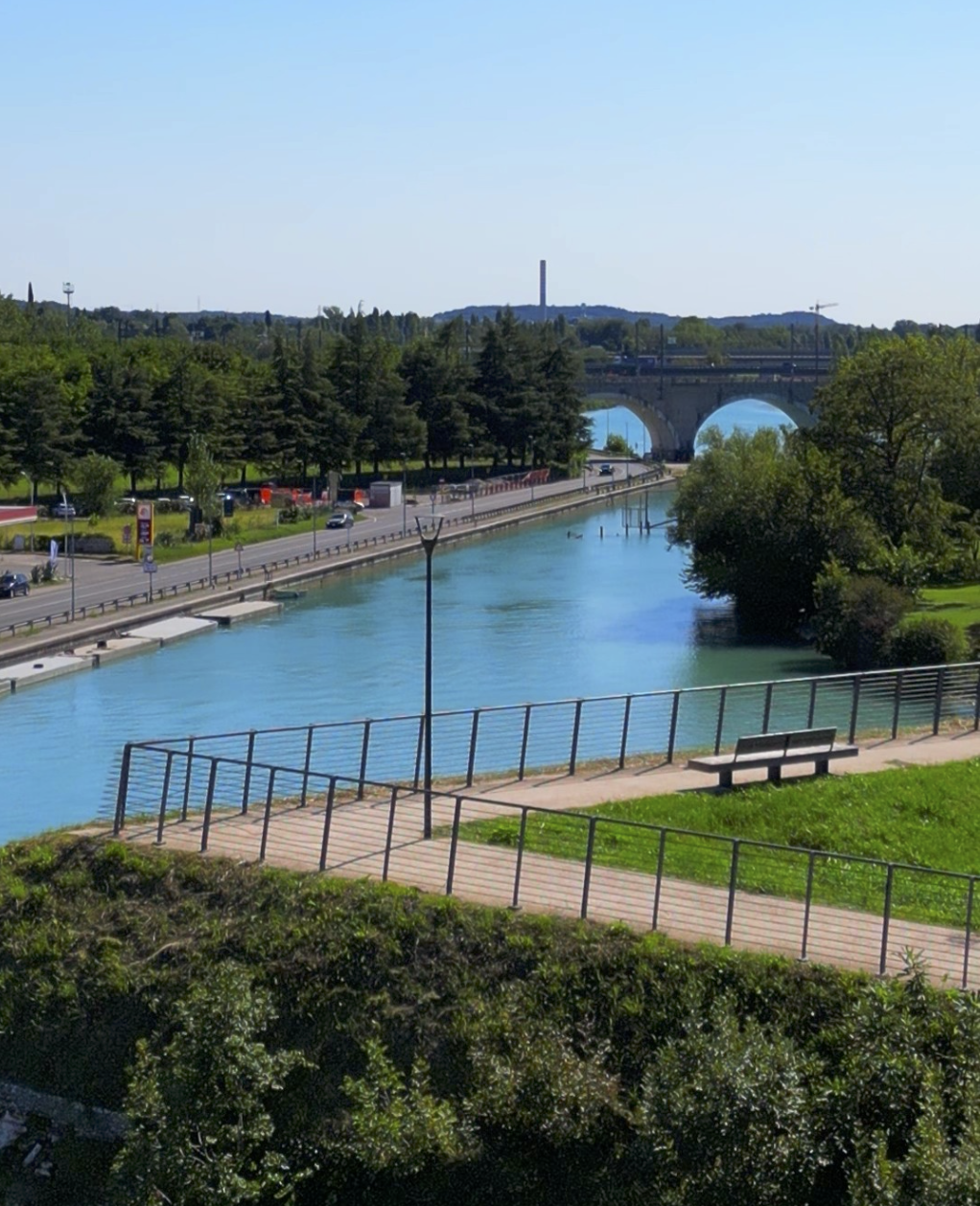
Evidence of this comes from excavations carried out during the Habsburg rule, at the time of the construction of the commercial canal, today’s Lungolago Garibaldi.
Findings suggest that the fishing techniques used have remained largely unchanged to this day. Even during the Roman and medieval periods, fixed fishing stations, called peschiere, were essential for both the population’s sustenance and trade, which was very active with nearby cities such as Verona.
In particular, the Pescarezzo fishery, located at the exit from the Ponte dei Voltoni towards the Mincio River, was the most profitable and therefore the most sought-after of all.
Today, visitors can see a faithful reconstruction of the various fishing stations based on the original design. Notably, the entrance of the fishery faces the direction of the lake’s current, while the final section, known as the cogolo, was designed to trap all the fish that entered.
From the second half of the 20th century onwards, this ancient fishing practice—used for thousands of years—was gradually abandoned.


